


2026 Q3
2026 Q3
Inside This Issue
Featured Article
From the CEO's Desk
Guardian Training Brief
Podcast Corner
Upcoming Events
Guardian News
GPF Core Values In Action
GUARDIAN SPOTLIGHT
GPF Career Focus
Featured Article
Featured Article
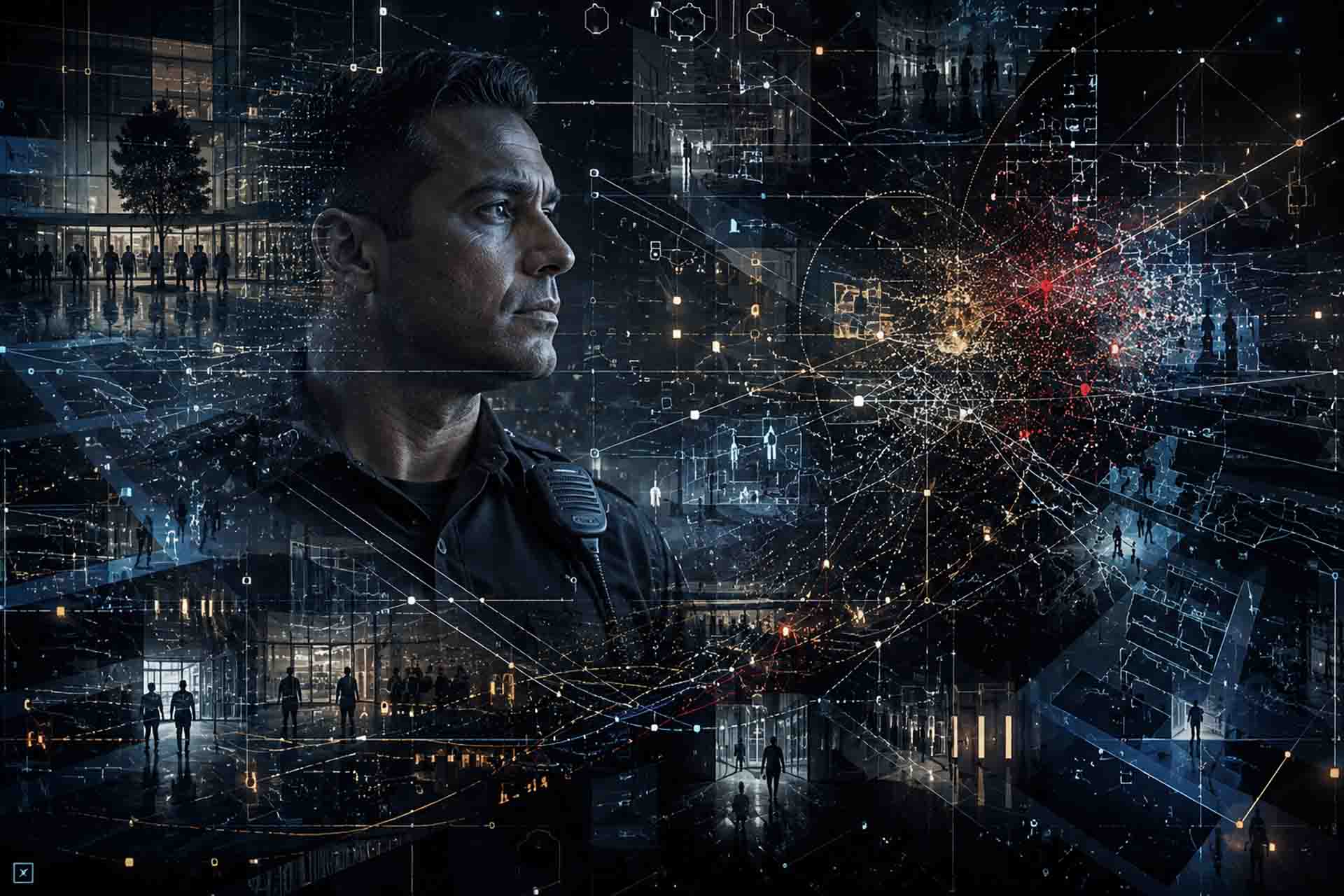
Artificial Intelligence Is Not a Security Strategy
Why Effective Security Still Requires Human Judgment, Leadership, and Responsible Use of Artificial Intelligence
The excitement is understandable. Artificial intelligence can process information at a speed and scale that human teams cannot match. It can identify unusual activity, search hours of video in seconds, prioritize alerts, recognize patterns, automate repetitive tasks, and help security professionals make sense of growing amounts of data.
These capabilities are significant. But artificial intelligence is not, by itself, a security strategy.
Purchasing an AI-enabled product does not automatically make an organization safer.
Adding advanced analytics to an outdated security program does not correct unclear procedures, poor communication, inadequate staffing, or weak leadership. Technology can strengthen a well-designed operation, but it cannot compensate for the absence of one.
A true security strategy begins with people, risks, responsibilities, and desired outcomes.
- What are we trying to protect?
- Which threats are most credible?
- What information does the security team need?
- Who is responsible for reviewing an alert, making a decision, and taking action?
- What happens when the technology is wrong, incomplete, or unavailable?
Without clear answers to those questions, AI may create more noise rather than greater awareness.
This is especially important because an alert is not the same as understanding. A system may identify movement, recognize an object, detect an anomaly, or assign urgency to an event. It cannot always understand the full context surrounding what it sees. It does not inherently know the history of a property, the temperament of the people involved, the expectations of a client, or the consequences of a particular response.
That is where trained security professionals remain essential.
Human judgment provides context. Experience helps distinguish unusual activity from dangerous activity. Communication turns information into coordinated action. Leadership establishes when technology should inform a decision, and when a person must question, verify, or override it.
The future of physical security will not be a competition between people and machines. It will depend on how effectively the two work together.
Security leaders must evaluate accuracy, privacy, cybersecurity, bias, accountability, and the quality of the information entering the system. Employees must understand what a tool can do, what it cannot do, and how its output should influence their responsibilities. Clients must understand the difference between an enhanced capability and a guarantee.
Organizations must also resist the temptation to automate a process simply because automation is available. Efficiency matters, but speed without judgment can create new vulnerabilities. A faster incorrect response is still an incorrect response.
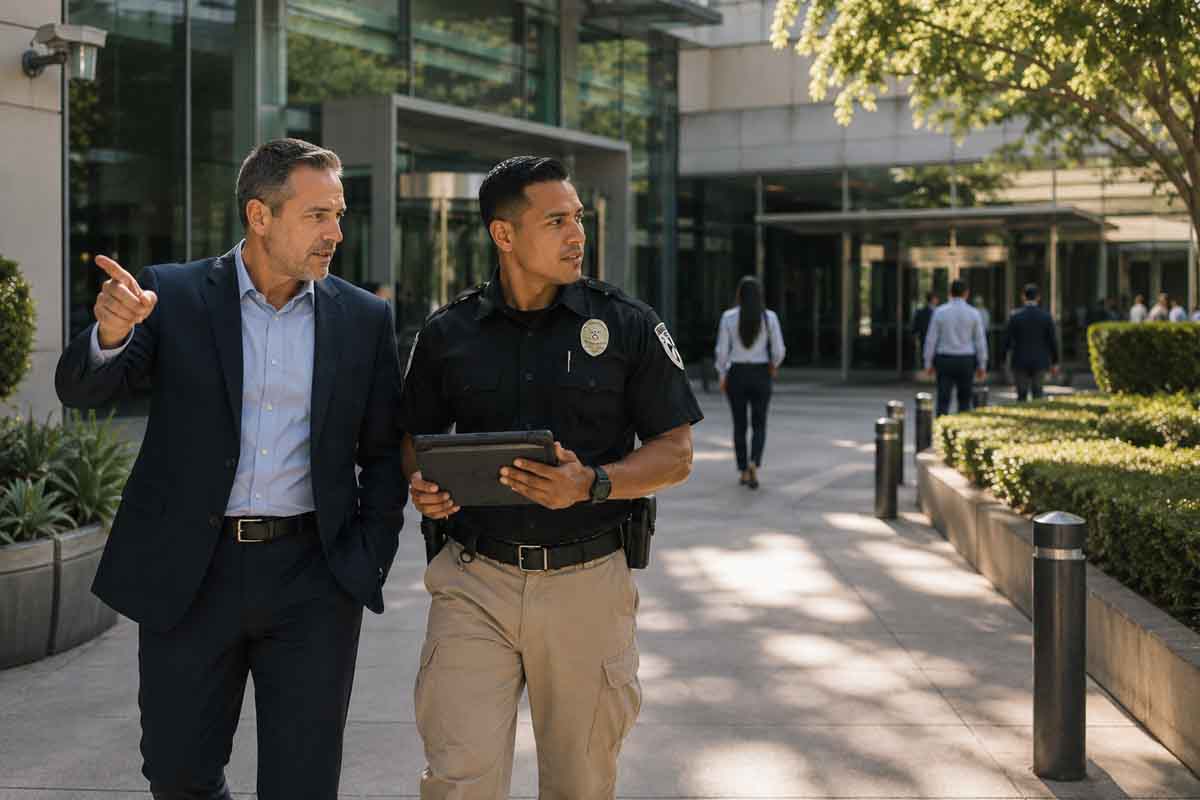
The better questions are:
- Does it solve a clearly defined problem?
- Does it improve awareness or decision-making?
- Can our team use it effectively?
- Are there safeguards when it fails?
- Does it support the people responsible for protecting others?
At Guardian Protection Force, we believe innovation should strengthen professional expertise, not attempt to bypass it. The strongest security programs will be built by organizations willing to embrace new capabilities while remaining disciplined about training, policies, oversight, and human accountability.
Artificial intelligence will continue to change how our industry observes, analyzes, communicates, and responds. That change brings tremendous opportunity, but only for those prepared to look beyond the label.
The future of security will not belong to the organizations with the most advanced technology. It will belong to those with the judgment to use it well.

From the CEO's Desk:
Q3 2026 | The Midyear Checkpoint
By Ashlee Cervantes Thomas, CEO
January is filled with goals, plans, and possibility. By Q3, those goals have had time to meet reality. We have enough information to ask harder questions: What is working? Where are we falling short? What needs to change? And where do we need to apply greater focus to finish the year strong?
Internally, that is exactly what we are doing at Guardian Protection Force. We are evaluating our KPIs, revisiting the seven strategic goals we established for 2026, and making the necessary adjustments to carry our momentum through year-end. Progress does not always mean staying the course. Sometimes it means having the discipline to recognize when the course needs to change.
I am experiencing some change personally and professionally as well. This quarter kicked off with one such change. Guardian Secure Solutions, the Security Operations Center I founded in 2024, joined forces with Alliance SOC to create Guardian Alliance SOC, a shared Security Operations Center built by security operators, for security operators.

For our GPF employees and clients, there is a practical reason I want to share this update: you may begin hearing some new voices on the other side of Guardian’s 24/7 dispatch line. While the team supporting us is growing, our commitment to responsive, professional operational support remains unchanged.
For our GPF employees and clients, there is a practical reason I want to share this update: you have begun hearing some new voices on the other side of Guardian’s 24/7 dispatch line. While the team supporting us is growing, our commitment to responsive, professional operational support remains unchanged.
Q3 is also home to one of my favorite Guardian traditions: our All Hands on Deck “AHOD” Annual Management Retreat. This year, we are staying close to home for three days with a fitting theme: Back to the Future. AHOD gives our leadership team the rare opportunity to step outside the demands of daily operations, look honestly at where we have been, evaluate where we are today, and align around where Guardian needs to go next.
That work will continue into September and October with back-to-back staff training cycles before we transition to optional training for November and December. September will include a particularly meaningful program, Remembering Capt. Jack — GPF Core Values, Ethics & Professionalism. Even as Guardian evolves, grows, and adopts new technology, remembering the people and principles that helped shape this company matters.
I want to be explicitly clear: in its current form, I cannot support SB 1203. I support meaningful training, professional standards, and efforts that genuinely make security officers and the communities they protect safer. But additional mandates should be supported by demonstrated benefit and implemented in a way that recognizes the operational realities of California’s private security workforce. California Association of Licensed Security Agencies, Guards and Associates (CALSAGA) has similarly opposed the current legislation and continues advocating on behalf of the industry.
Lawmakers need to hear directly from the security professionals who protect California’s businesses, schools, hospitals, residential communities, and public spaces every day. Our industry should have a meaningful voice in policies designed to regulate it.
There is still a great deal ahead of us in 2026. We are preparing to announce internal changes, new technology partnerships, and other initiatives designed to position Guardian for what comes next.
Midyear is not the time to coast toward December.
It is the time to assess what we have built, adapt where necessary, and move forward with greater purpose.
The second half of the year is where our goals become results.
The guardian Training Brief
How You Train Is How You Perform
By Garrett Thomas, CPP, Founder & Chief Operating Officer
Some sessions are highly anticipated. They involve advanced tactics, real-world scenarios, hands-on exercises, or skills that employees are eager to develop. Others are familiar, repetitive, and required every year. They cover topics such as non-harassment, workplace violence prevention, and safety in the workplace.
Those annual sessions may not always feel like the most dynamic part of our training program, but they are among the most important.
Mandatory training exists because the risks behind it are real. Harassment damages employees, teams, and organizations. Workplace violence can escalate when warning signs are ignored or concerns go unreported. Injuries occur when routine hazards are overlooked, shortcuts become normalized, or employees assume that safety belongs to someone else.
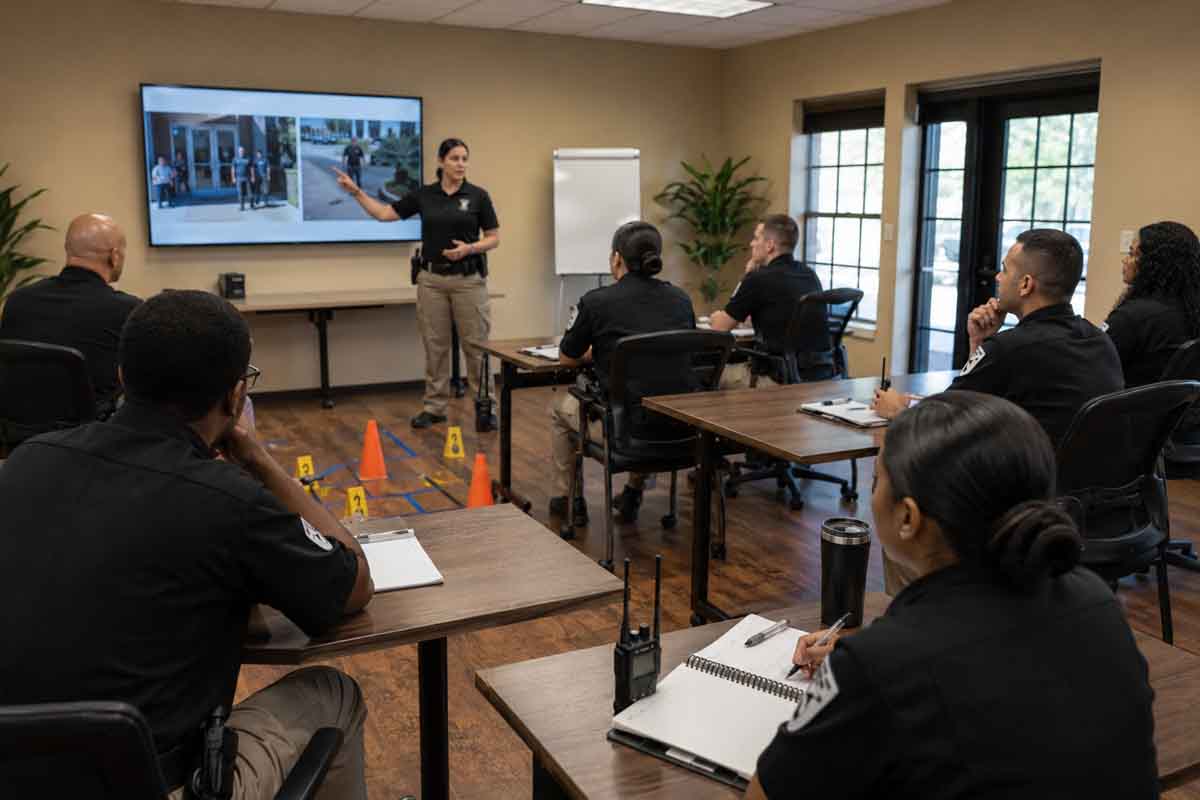
The true value of training is rarely demonstrated while an instructor is speaking. It is demonstrated later, when an employee recognizes a potential hazard and takes action. This value is reflected in the decisions employees make in the field, the way they communicate under pressure, the judgment they use when circumstances change, and the standards they maintain when no instructor, manager, or client is watching. That is why repetition matters.
Professional habits are not built through a single conversation. They are developed through consistent expectations, regular reminders, practical application, and accountability. Even experienced professionals benefit from returning to the fundamentals. Familiarity should strengthen our performance, not cause us to dismiss the material.
At Guardian Protection Force, training is not simply a compliance exercise or a record of completed courses. It is one of the ways we shape our culture. It reinforces how we treat one another, how we identify and communicate concerns, how we respond to risk, and how we protect the people and communities entrusted to our care.
When pressure rises, people rarely create a new standard in the moment. They rely on the habits they have already practiced.
How you train is how you perform.

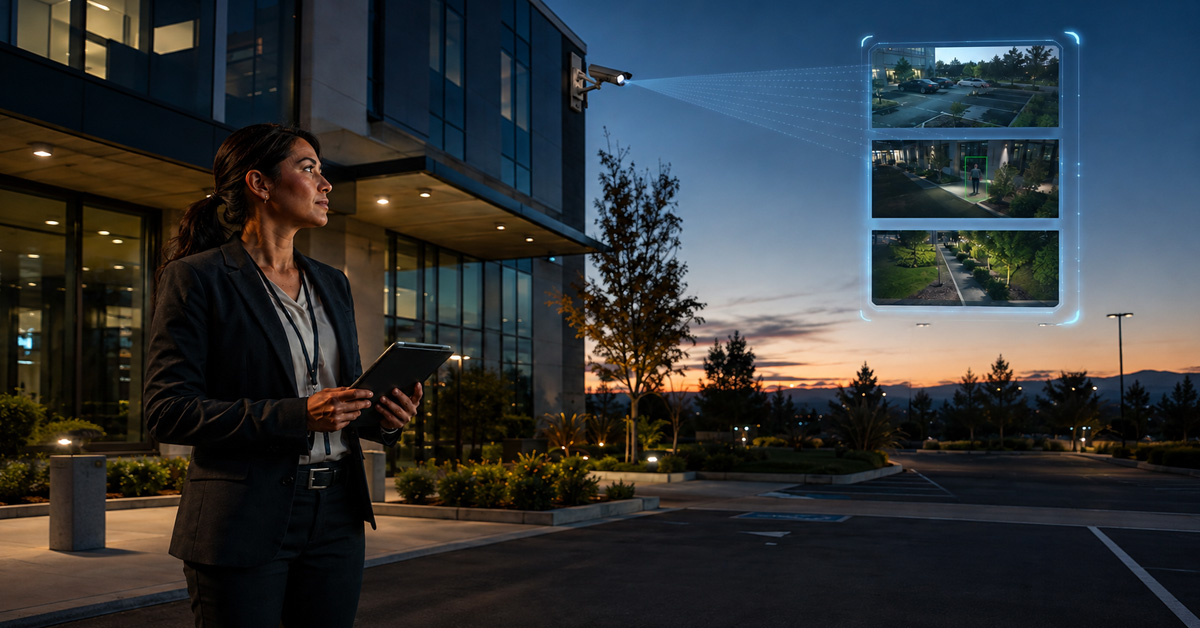
Episode 137 – AI Security Shift from Response to Predictive Risk Management
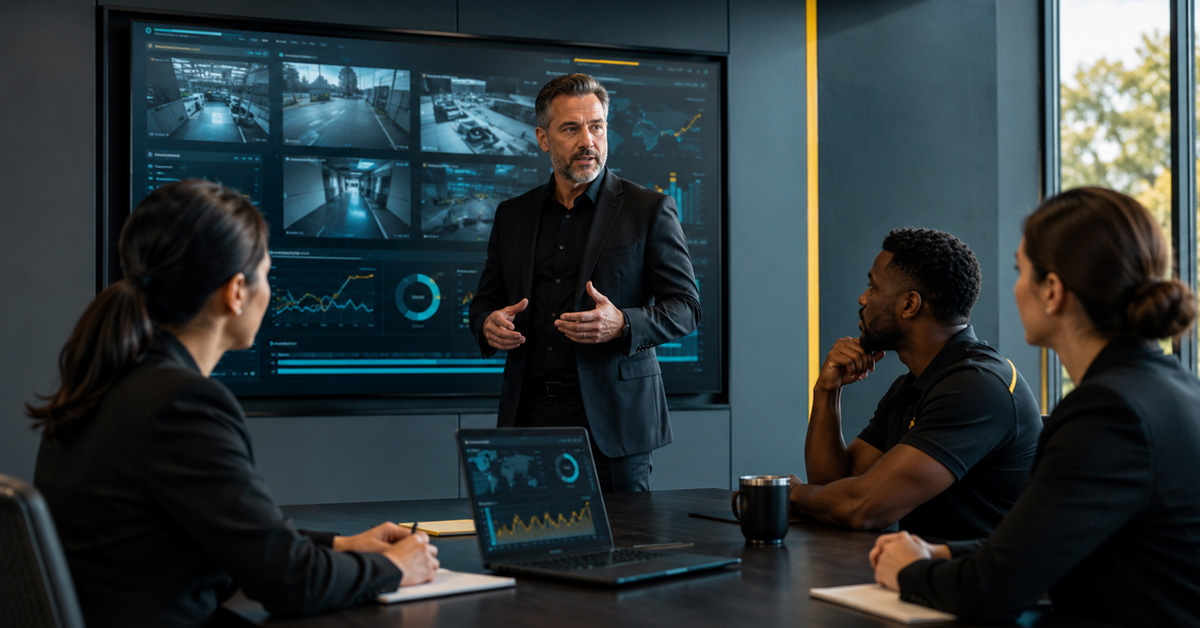
Episode 136 – AI & Security Management: Why AI is Changing Physical Security

Episode 135 – Delivering Professional Security Through Planning and Intelligence

Episode 134 – Enhancing Executive Productivity and Confidence

GPF Upcoming events

3rd Annual GPF Trunk Or Treat
3rd Annual GPF Trunk Or Treat
Enjoy decorated trunks, candy and costumes at GPF’s free, family-friendly Trunk or Treat in Rancho Cordova on October 28, 2026.

2027 Security Playbook: 2026 Q4 Guardian Briefing Webinar
2027 Security Playbook: 2026 Q4 Guardian Briefing Webinar
Prepare for 2027 with a stronger physical security strategy. Join us Thursday, November 12 at 10:00 AM PT for a free one-hour webinar to assess vulnerabilities, improve readiness, align security resources, and build an actionable playbook for the year ahe...
Guardian News
Guardian Protection Force Opens in Tracy, CA

From 1005 E. Pescadero Ave., Tracy, we support armed security, patrol, executive protection, and other professional security services with the same standards, professionalism, and intelligence-driven approach our clients expect.
For assistance anytime, contact 24/7 Dispatch at 866.921.9484. Tracy, we’re ready to serve. Security Through Intelligence™
Core Values In action
Present, Prepared, Professional
By Jennifer Lamborn, Director of Business Development
At first glance, these values may seem simple. Show up for work. Arrive in the proper uniform. Maintain a professional appearance. But in the security industry, these expectations are anything but minor.
Attendance communicates dependability. Appearance communicates preparedness, discipline, and respect. Together, they influence client confidence, team continuity, officer safety, and operational readiness.

Appearance sends an equally important message.
Before an officer speaks with a client, assists a member of the public, or responds to an incident, their appearance has already made an impression. A clean, complete uniform and properly maintained equipment communicate that the officer is prepared to perform. They show respect for the position, the client environment, the Guardian name, and the people we serve.
This standard is not limited to uniformed officers.
Every employee represents Guardian in some capacity. Whether we are meeting with a prospective client, interviewing an applicant, answering a telephone call, attending a community event, or supporting operations behind the scenes, our professionalism is visible.
This is one example of what customer service looks like in practice. Here at Guardian, we have thousands of these stories because this Customer Service Core Value is truly a pillar of the work we do.
Ultimately, when we’re in the field, it is not about avoiding conflict; it is about managing it with precision, awareness, and intent. It is the ability to protect the client, influence behavior, and support fellow Guardians in a single interaction.
As we hone in on our company-wide theme, “Vanguard” in 2026, it’s relevant to say this is what it means to operate and lead from the front.

GUARDIAN SPOTLIGHT
Professionalism With Purpose
Bryan Hill, Senior Security Officer
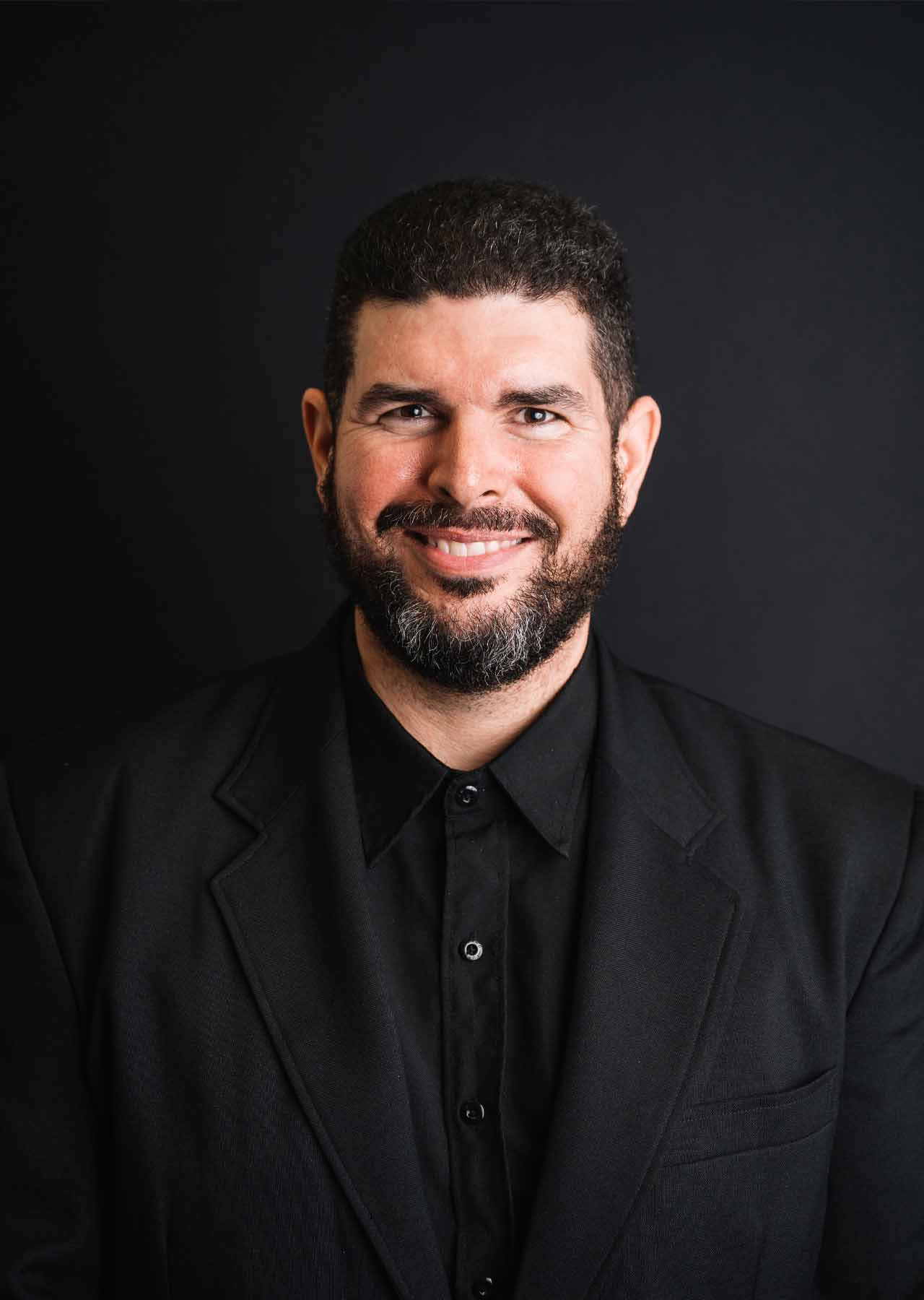
Hill says he originally entered the security industry looking for a new direction in life, but what has kept him passionate over the years is the opportunity to make people feel safe, comfortable, and at ease. That commitment to service, paired with a willingness to continually improve, has made him a respected member of the Guardian team.
A strong advocate for using technology to enhance performance, Hill recommends the Word Hippo app to fellow officers for improving report writing and expanding professional vocabulary. “It’s much more than a dictionary or thesaurus,” he says. “It’s one of the best tools an officer can have for writing better reports.”
Among his proudest career moments was serving as an Executive Protection agent on a high-profile assignment in the desert—an experience that challenged him professionally and reinforced just how rewarding the security profession can be.
Outside of work, Hill is an accomplished author and artist, having published four novels under the pen name Jason Logan Maxwell, with many more planned. His advice to new Guardians is simple but timeless: listen more than you speak, treat everyone with respect, learn from your mistakes, and always remember: right time, right place, right uniform.
GPF Career Focus:
security consultants
Consultants may review access control, surveillance, staffing, emergency preparedness, incident response, workplace safety, and internal protocols before developing recommendations tailored to each client’s environment and priorities. The goal is to create a practical security plan that reduces risk while supporting normal operations.
Experience in security operations, investigations, law enforcement, emergency management, or executive protection can provide a strong foundation for professionals ready to help shape broader security strategies.