


The events unfolding in the Middle East this week offer a stark reminder of something our industry has known for years:
There is no such thing as “virtual infrastructure.”
When Iranian drone strikes damaged multiple Amazon Web Services data centers in the UAE and Bahrain, headlines understandably focused on cloud outages and geopolitical escalation. But beneath the technology story lies a deeper lesson about critical infrastructure security in the modern world.
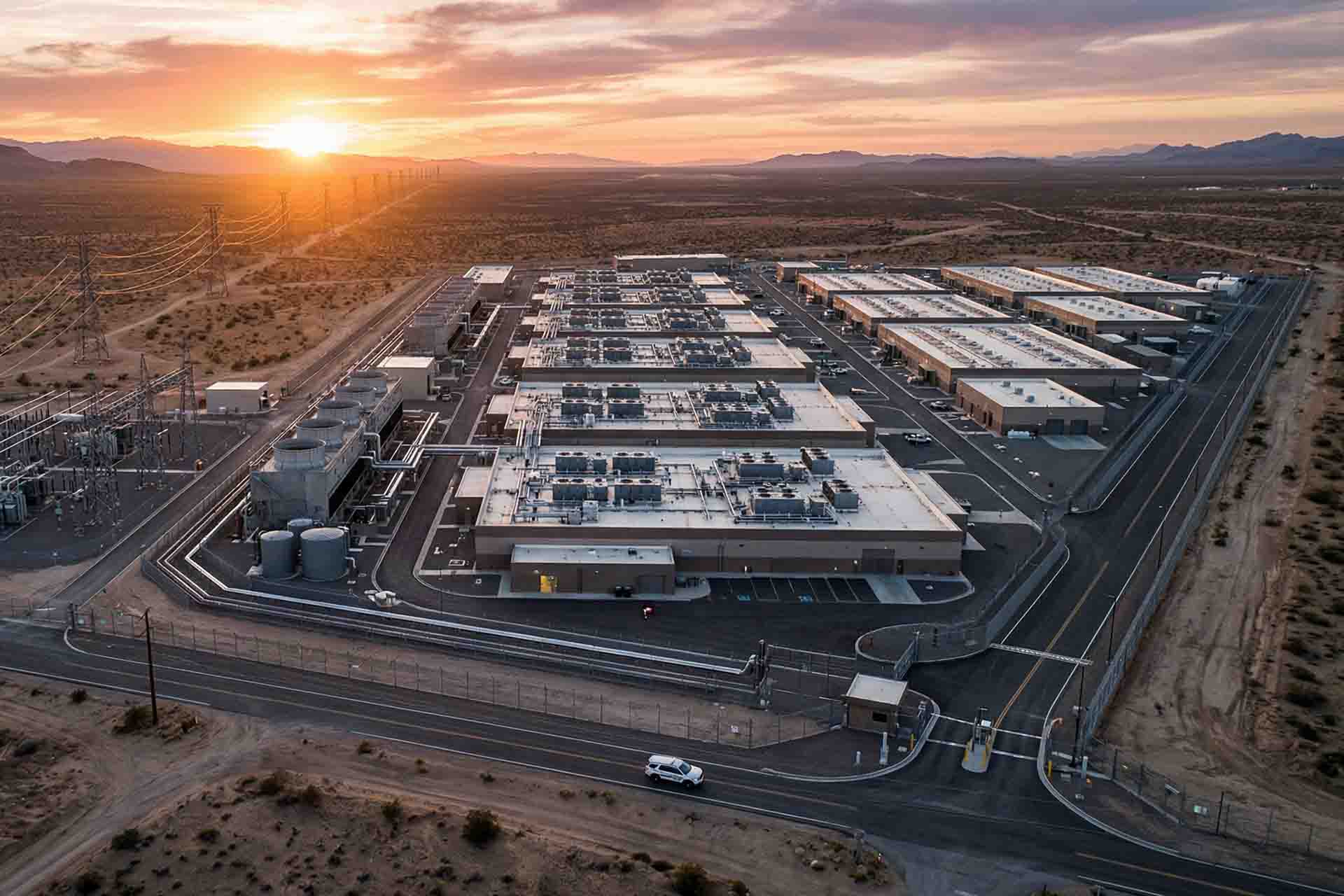
Because every cloud service, every AI model, every online platform, and every digital business ultimately rests on concrete, steel, electricity, and physical protection.
And those assets are increasingly strategic targets.
The Myth of the “Invisible Cloud”
For most users, the cloud feels abstract.
Data floats somewhere “out there.”
Applications exist in an unseen network.
Services simply work.
But the reality is very different.

Behind every cloud platform are massive, highly visible physical facilities — data centers containing thousands of servers, critical cooling systems, electrical infrastructure, and fiber connectivity. These facilities are intentionally clustered in regions with multiple “availability zones” so workloads can fail over between sites.
That architecture provides redundancy. But redundancy is not invulnerability.
When multiple facilities in a region are disrupted simultaneously—whether by natural disasters, cyber-physical attacks, or military conflict — even the most advanced platforms face strain.
Critical Infrastructure Is the New Strategic Target
Historically, attacks on infrastructure focused on obvious targets:
- Power grids
- Oil refineries
- Transportation hubs
Today, the list has expanded. Data centers are now strategic assets. They support:
- Financial systems
- Government services
- Healthcare infrastructure
- Defense logistics
- Global commerce
In many ways, a modern data center is closer to a power plant or port facility than a traditional IT building. It is infrastructure. And infrastructure attracts attention during geopolitical conflict.
Physical Security Is Now a Cybersecurity Issue
For the past two decades, cybersecurity conversations have dominated the protection of digital systems.
But incidents like this highlight a critical shift: Cyber resilience is impossible without physical resilience.
Even the most secure network architecture cannot function if:
- Power is disrupted
- Cooling systems fail
- Fiber routes are severed
- Facilities are physically damaged
- Personnel cannot access the site safely
Security leaders must increasingly think in integrated terms:
Cyber security
Operational continuity
Physical protection
Crisis response
All operating together.
The Rise of Hybrid Threats
The future of infrastructure risk will not be purely cyber or purely physical. It will be hybrid.
Imagine scenarios where:
- A drone strike disrupts power to a facility
- A simultaneous cyber intrusion targets backup systems
- Supply chains for replacement components are delayed
- Disinformation spreads online about service reliability
These are no longer theoretical scenarios. They are the emerging operating environment.
What Organizations Should Be Asking Right Now
Incidents like this should prompt serious reflection for organizations that depend on cloud infrastructure. Questions worth asking include:
1. Geographic Risk Exposure
Where are our primary cloud regions located?
2. True Redundancy
Are our workloads actually spread across regions—or simply across zones within the same metro area?
3. Crisis Migration Capability
How quickly could we move critical services if a region became unavailable?
4. Physical Security Partnerships
Do our providers and partners treat facilities as critical infrastructure?
5. Integrated Incident Planning
Are cyber, operations, and physical security teams aligned on response?
They are modern business continuity planning.
Security in the Age of Infrastructure
The modern economy is built on invisible systems. But the infrastructure behind those systems is anything but invisible.
Data centers are now among the most critical—and most exposed—assets in the global economy.
Which means protecting them requires a broader mindset:
- Not just IT security
- Not just physical guards
But intelligence-driven, integrated security strategy.
Because the cloud may be digital…
But its foundation is firmly on the ground.
Final Thoughts
Events like this remind us that resilience is not achieved through technology alone.
It comes from planning, redundancy, partnerships, and security leadership that understands the full operating environment.
The organizations that recognize this reality early will be the ones best positioned to navigate the increasingly complex risk landscape ahead.



0 Comments